Truckload Shipping vs. Less-Than-Truckload: Which is Right for Your Business?


Understanding Truckload Shipping
When it comes to freight transportation, businesses often face the decision between truckload (TL) shipping and less-than-truckload (LTL) shipping. Each method has its own advantages and is suited for different types of shipments. Understanding the nuances of each can help you make a more informed decision for your business.
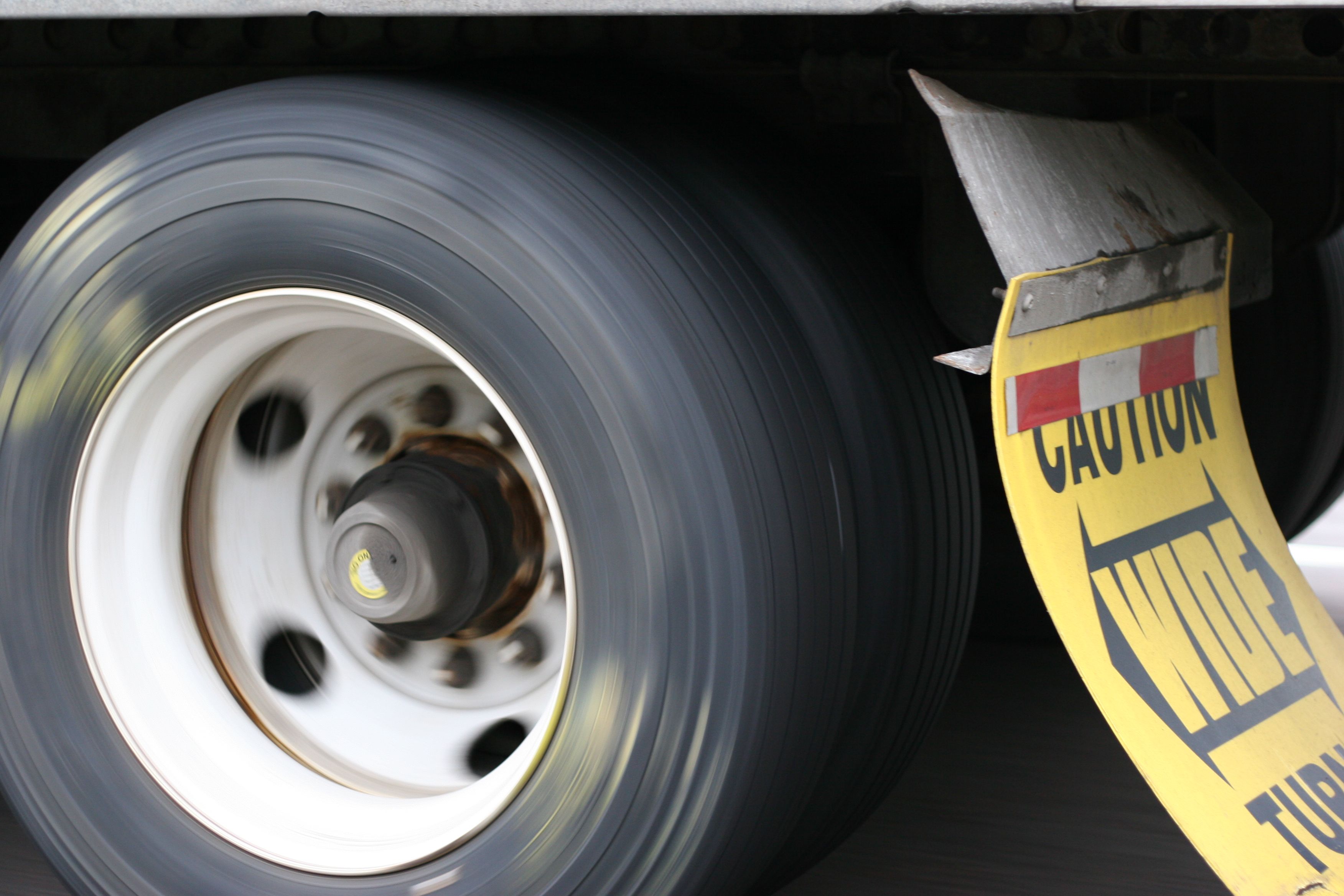
Truckload shipping is ideal for businesses that need to transport large quantities of goods. Typically, if your shipment is large enough to fill an entire truck—generally over 10,000 pounds—truckload shipping is the go-to option. This method offers the benefit of direct delivery, with fewer stops along the route, reducing the risk of damage and loss.
Advantages of Truckload Shipping
There are numerous benefits to choosing truckload shipping:
- Faster Delivery: With fewer stops and direct routes, TL shipments tend to arrive at their destination more quickly.
- Better Security: Since the goods remain in one truck from start to finish, there’s less risk of damage or loss.
- Cost-Effective for Large Shipments: The cost per unit decreases as the shipment size increases, making it economical for large loads.
Exploring Less-Than-Truckload Shipping
On the other hand, less-than-truckload shipping is designed for smaller shipments that don’t require an entire truck. If your shipment is less than 10,000 pounds or you don’t have enough goods to fill a full truck, LTL is a practical choice. This method consolidates multiple shipments from different customers into one truck, optimizing space and reducing costs.

The primary advantage of LTL shipping is its flexibility and cost-effectiveness for smaller shipments. Since you’re only paying for the portion of the truck you use, this method can be significantly cheaper if your shipment doesn’t require full capacity.
The Benefits of Less-Than-Truckload Shipping
LTL shipping offers several key advantages:
- Cost Savings: By sharing truck space with other shipments, you only pay for the space you use.
- Flexibility: Ideal for businesses with varying shipment sizes and schedules.
- Environmental Impact: Consolidating shipments helps reduce the carbon footprint by maximizing truck space.
Choosing the Right Option for Your Business
The decision between TL and LTL shipping largely depends on the size and frequency of your shipments. For businesses consistently sending large quantities, truckload shipping might be more economical and efficient. Conversely, if your business has fluctuating shipment sizes or smaller loads, LTL might be more suitable.

Consider factors such as delivery speed, budget constraints, and the nature of your goods when making a decision. By evaluating these elements, you can choose the shipping method that aligns with your business needs and goals.
Conclusion: Making an Informed Decision
Truckload and less-than-truckload shipping each offer unique benefits tailored to different business needs. Understanding these options can lead to more efficient operations and improved cost management. Ultimately, selecting the right shipping method can enhance your supply chain strategy and contribute to overall business success.