Seasonal Truckload Shipping in Calgary: Preparing for Winter Challenges


Understanding the Impact of Winter on Truckload Shipping
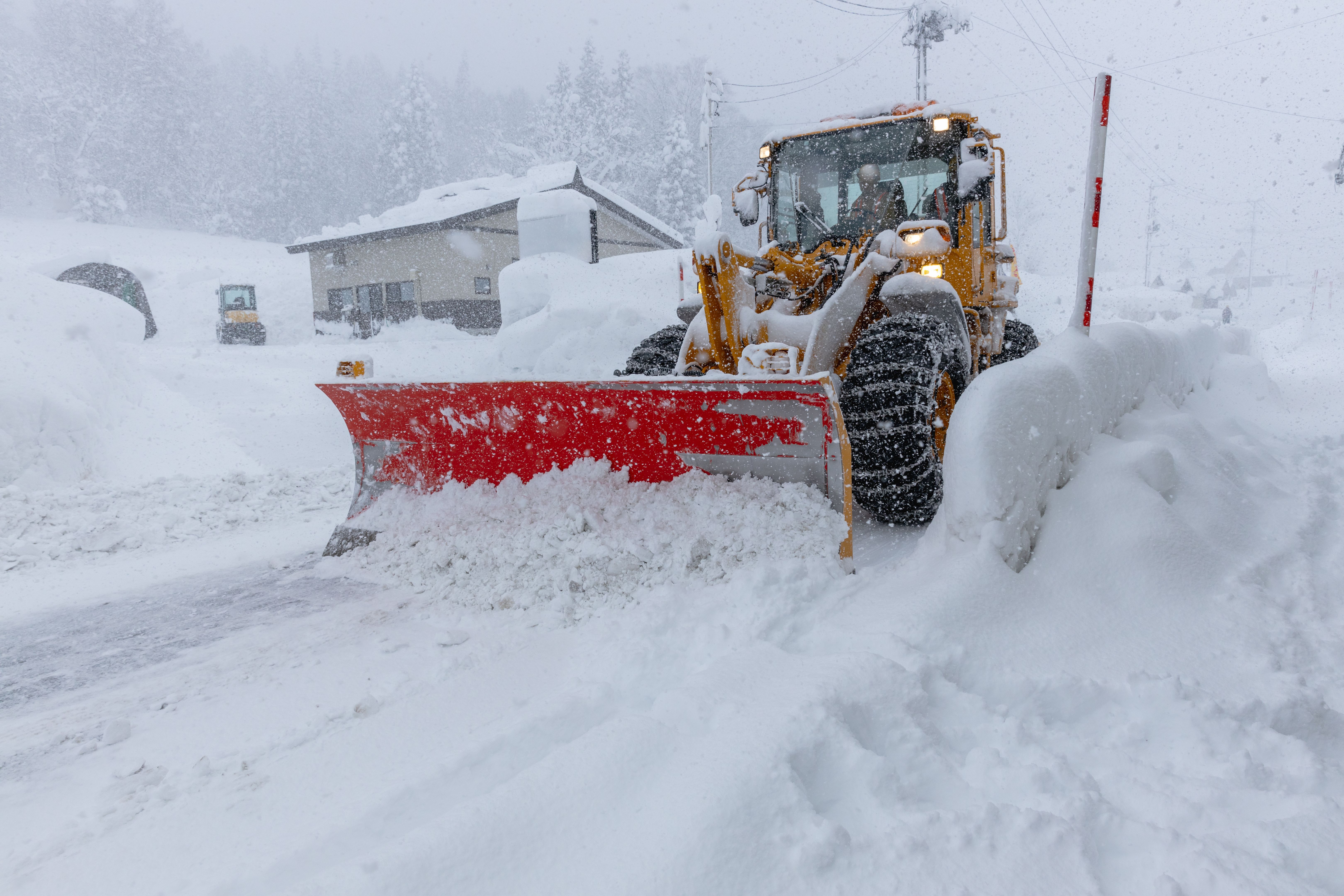
Winter in Calgary presents unique challenges for truckload shipping companies. As temperatures drop and snow begins to fall, transportation logistics must adapt to ensure timely and safe delivery of goods. Winter weather conditions can lead to road closures, reduced visibility, and hazardous driving conditions, making it crucial for businesses to prepare adequately for the season.
Shipping in winter is not just about navigating icy roads; it's about adjusting operations to minimize disruptions. Proper planning and preparation are essential to maintain efficiency and meet customer expectations. Companies need to be proactive in anticipating potential issues and implementing strategies to overcome them.

Key Preparations for Winter Shipping
To effectively manage winter challenges, companies should focus on several key preparations. These include vehicle maintenance, driver readiness, and route optimization. Ensuring that trucks are in top condition reduces the risk of breakdowns in harsh conditions. Routine checks on tires, brakes, and heating systems are vital components of winter vehicle maintenance.
Driver readiness is equally important. Providing training on winter driving techniques and ensuring drivers are equipped with emergency kits can enhance safety and performance. Familiarizing drivers with alternative routes can also help navigate road closures or delays due to snow or ice.
Optimizing Routes for Efficiency
Route optimization becomes even more critical during winter months. Leveraging technology such as GPS and real-time traffic updates can help identify the best possible routes, avoiding areas with severe weather conditions. This not only saves time but also ensures the safety of drivers and cargo.
Leveraging Technology for Better Outcomes
Technology plays a significant role in overcoming winter shipping challenges. Implementing advanced tracking systems allows companies to monitor shipments in real-time, ensuring that customers are kept informed of any delays or changes in delivery schedules. Additionally, using predictive analytics can help anticipate weather-related disruptions and adjust plans accordingly.
Companies are increasingly turning to automated systems to enhance their logistical operations. Automated systems can streamline processes, reduce human error, and ensure that shipments remain on schedule despite adverse weather conditions. Embracing these technological advancements is a strategic move for any shipping business looking to maintain its competitive edge during winter.
Building Strong Relationships with Partners
In the face of winter challenges, having strong relationships with partners such as suppliers, carriers, and customers is invaluable. Open communication channels enable quick response to unexpected issues and foster a collaborative approach to problem-solving. Keeping all stakeholders informed helps manage expectations and maintain trust.

Conclusion: Planning for Success
Seasonal truckload shipping in Calgary requires a comprehensive approach to dealing with winter challenges. By focusing on vehicle maintenance, driver readiness, route optimization, and leveraging technology, companies can mitigate risks associated with winter conditions. Building strong relationships with partners further enhances resilience against seasonal disruptions.
Ultimately, the key to successful winter shipping lies in proactive planning and continuous adaptation to changing circumstances. By preparing adequately, companies can ensure they deliver on their promises, regardless of the weather.