Seasonal Challenges in Trucking: Preparing for Winter in Alberta


Understanding the Winter Conditions in Alberta
Alberta's winter can be brutally cold and hazardous, posing unique challenges for the trucking industry. With temperatures often plummeting below freezing and roads covered in snow and ice, truck drivers must be thoroughly prepared to ensure safety and efficiency. Winter in Alberta isn't just about cold weather; it also involves understanding how these conditions affect driving dynamics and logistics.
Essential Vehicle Preparation
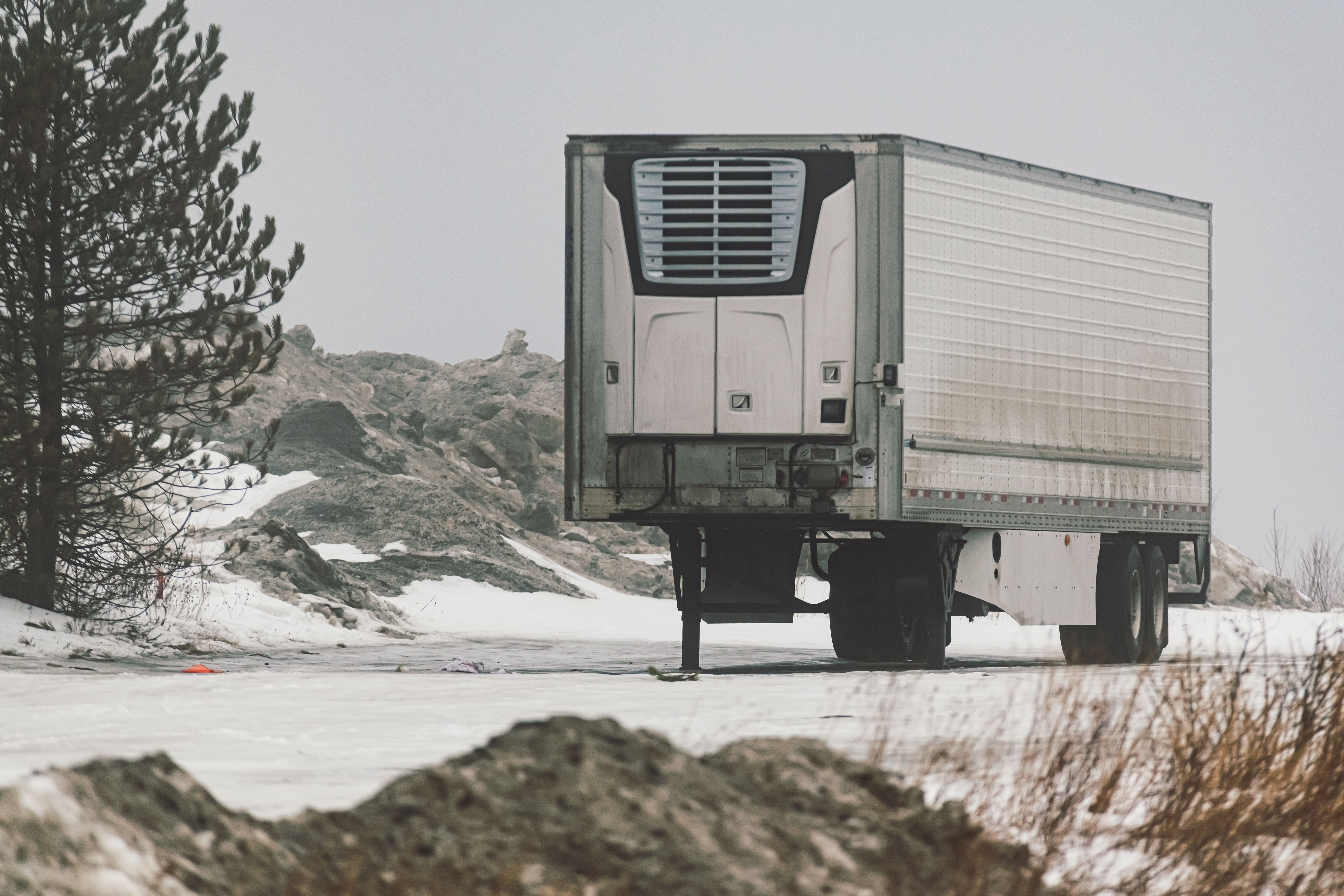
Preparing your truck for Alberta's winter is crucial. Regular maintenance checks are vital to ensure your vehicle can cope with extreme weather conditions. Focus on critical components such as brakes, tires, and batteries. Winter tires are essential for maintaining traction on icy roads, while a well-functioning battery is necessary to withstand the cold temperatures.
Additionally, it's important to check that all lights are working properly. Visibility can be drastically reduced during a snowstorm, so functional headlights and taillights are crucial for safety. Keeping a stock of windshield wiper fluid rated for low temperatures will also help maintain visibility.
Safety First: Navigating Icy Roads
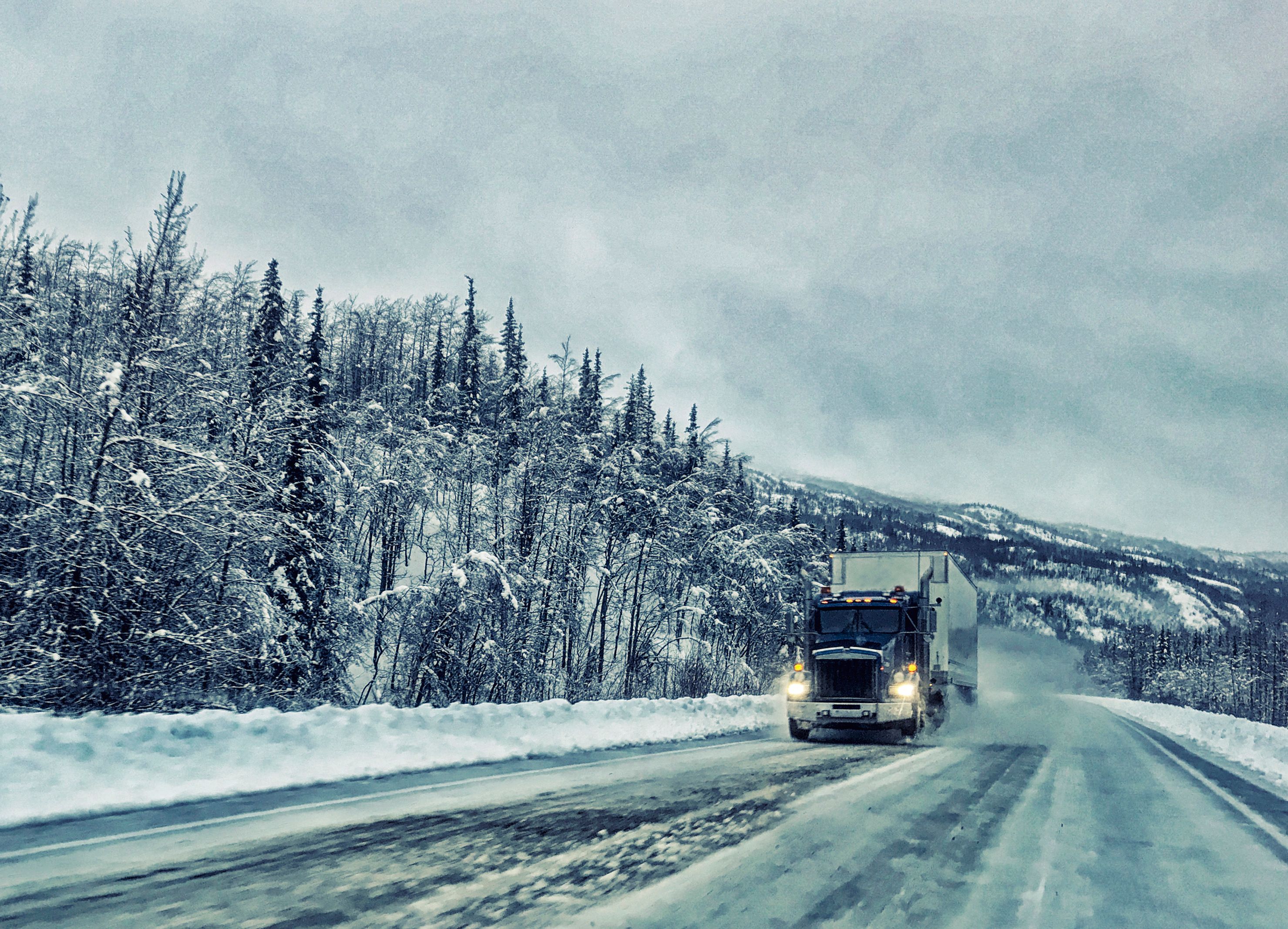
Driving on icy roads requires a different skill set than regular conditions. Slow and steady is the mantra for winter driving. Accelerate gently to avoid tire spin and always allow ample distance between your truck and other vehicles. Remember, stopping distances can be significantly longer on ice-covered roads.
Emergency Kits and Planning
An emergency kit is an indispensable item for truck drivers during the winter months. This kit should include essentials such as blankets, food, water, a flashlight, and a first-aid kit. It's also wise to carry extra clothing and hand warmers in case of prolonged exposure to cold temperatures.
Furthermore, planning your route with consideration for weather forecasts can help avoid dangerous areas. Keeping informed through weather apps or CB radio can alert you to rapidly changing conditions, allowing you to adjust your plans accordingly.
Fuel Management in Cold Weather
Cold weather affects diesel fuel differently than gasoline. Diesel can gel in low temperatures, leading to engine issues. Use anti-gel additives to prevent this from happening, and always keep your tank at least half full to prevent fuel lines from freezing.

Communication and Support Systems
Staying connected is crucial when trucking through Alberta's winter. Communication systems such as CB radios or mobile phones can keep you in contact with dispatchers and emergency services. Ensure all communication devices are fully charged before setting out on a trip.
Support from fellow truckers can also be invaluable. Sharing information about road conditions and offering assistance can foster a community-based approach to overcoming winter challenges.
Training and Education
Continuous training is essential for truck drivers operating in winter conditions. Many companies offer specialized training programs focusing on winter driving techniques. These courses often cover skid control, emergency braking, and handling equipment failures in extreme cold.
Mental Preparedness and Stress Management
Winter trucking can be mentally taxing. Preparing mentally for long hours on the road under challenging conditions is as important as physical preparations. Techniques such as mindfulness or stress management exercises can help maintain focus and composure.
Knowing when to take breaks and recognizing the signs of fatigue are also critical aspects of mental preparedness. Resting when needed ensures that you're alert and ready to handle whatever the road throws your way.
Conclusion: Embracing the Challenges
While winter in Alberta presents numerous challenges for truck drivers, proper preparation and mindset can turn these obstacles into manageable tasks. By equipping your vehicle appropriately, honing your driving skills, and maintaining clear communication, you can navigate Alberta's winter roads safely and efficiently.