Seasonal Challenges for Trucking in Calgary and How to Overcome Them


Understanding Seasonal Challenges for Trucking in Calgary
Trucking in Calgary comes with its unique set of challenges, especially when the seasons change. Calgary's diverse weather conditions can impact transportation efficiency and safety. Understanding these challenges is the first step in overcoming them. From harsh winter storms to unpredictable spring thaws, each season presents its own obstacles for truck drivers and fleet managers.
Winter is particularly daunting due to heavy snowfall and icy roads, which can lead to hazardous driving conditions and increased risk of accidents. Additionally, winter weather can cause mechanical issues such as frozen fuel lines and battery failures, further complicating logistics.
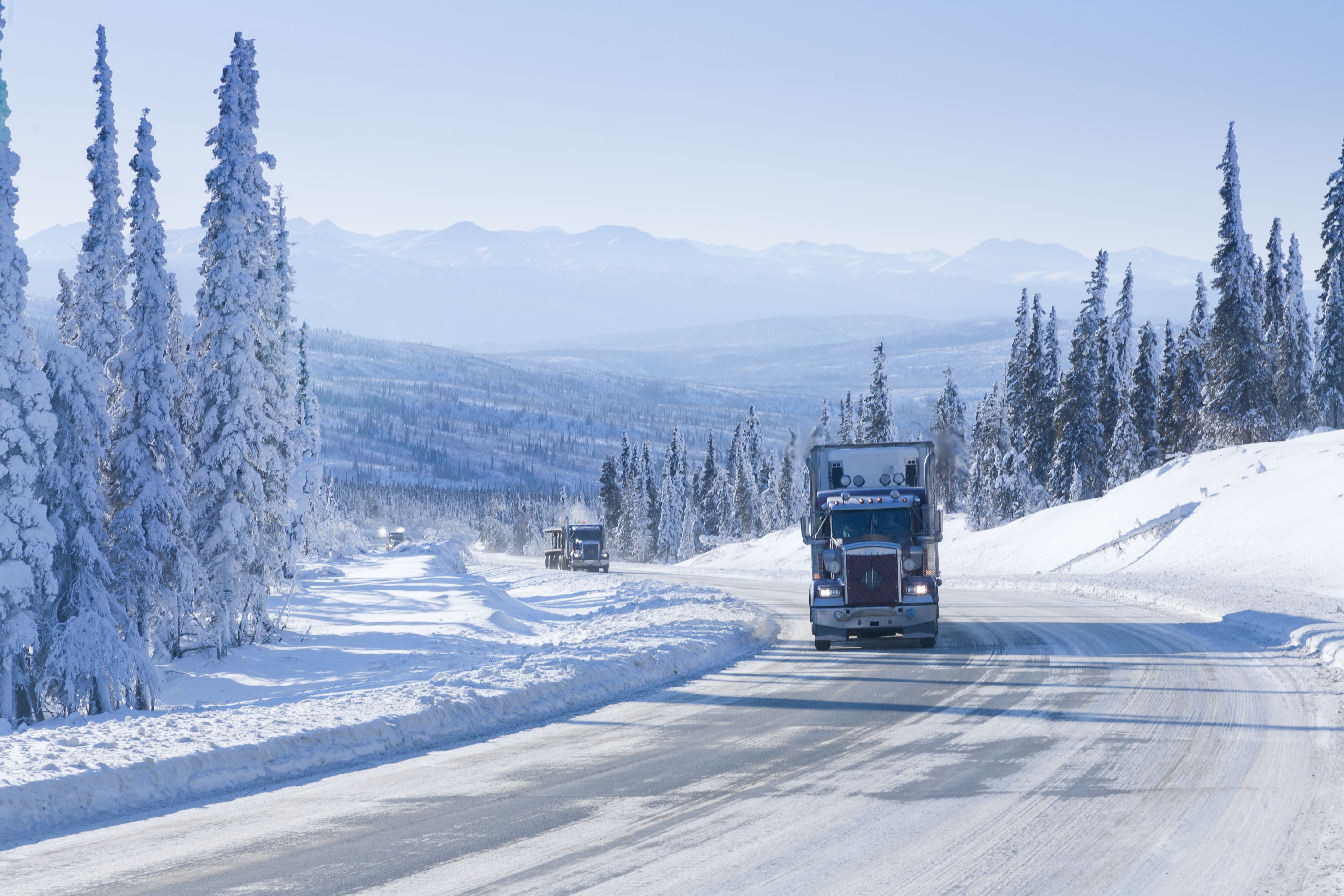
Adapting to Winter Conditions
To successfully navigate the winter months, it's essential to implement strategic planning and preparation. Here are a few tips to help truckers overcome winter challenges:
- Vehicle Maintenance: Regular inspections and maintenance of vehicles ensure they are equipped to handle cold temperatures. This includes checking tire pressure, fluid levels, and heating systems.
- Driver Training: Providing drivers with training on how to handle icy roads can significantly reduce accident risks.
- Weather Monitoring: Keeping an eye on weather forecasts allows for proactive route planning, avoiding dangerous areas when possible.
Spring Thaw and Its Impact
As winter transitions to spring, the thaw can present new challenges. Melting snow and ice can lead to flooding, road closures, and muddy conditions that make driving difficult. Additionally, the fluctuation in temperatures can cause road damage, such as potholes, making navigation tricky.

To mitigate these issues, truckers should consider:
- Route Alterations: Adjust routes to avoid flood-prone areas and roads known for severe damage during this season.
- Load Management: Ensure that trucks are not overloaded, as this can exacerbate road damage and increase the likelihood of getting stuck in muddy conditions.
Summer Heat and Its Challenges
While summer might seem like an easier season for trucking, the heat can also cause significant issues. High temperatures can lead to tire blowouts and engine overheating, which are major concerns for long-haul drivers.

Preventative measures include:
- Tire Checks: Regularly inspect tire pressure and condition to prevent blowouts caused by heat expansion.
- Cooling Systems: Ensure that cooling systems are functioning efficiently to prevent engines from overheating.
Fall: Preparing for Winter's Return
Fall is a critical time for preparation as it precedes the return of harsh winter conditions. It is a season of transition, where truckers need to focus on maintenance and readiness for colder months ahead.
Key steps include:
- Pre-Winter Checks: Conduct thorough inspections of all vehicles to ensure they are ready for the upcoming cold months.
- Equipment Updates: Invest in necessary equipment like snow chains and winter tires to improve safety during winter driving.
The Role of Technology in Overcoming Seasonal Challenges
Technology plays an increasingly vital role in helping truckers manage seasonal challenges. Advanced GPS systems and weather tracking apps can provide real-time updates on road conditions and weather patterns, aiding in safer route planning.
Moreover, telematics systems offer valuable data on vehicle performance, helping fleet managers address potential mechanical issues before they become critical problems. Embracing technology not only enhances safety but also improves overall efficiency and reliability in trucking operations.

In conclusion, while seasonal changes in Calgary present significant challenges for trucking, strategic planning, maintenance, and the use of technology can help mitigate these issues effectively. By understanding and preparing for each season's unique demands, truckers can ensure safer and more efficient operations year-round.